A province-wide collaboration is connecting rural patients with specialized expertise to expand access to care across Alberta.
EDMONTON, ALBERTA, September 22, 2026 – A new program is expanding access to specialized care for Albertans living with spasticity following a stroke, bringing assessment closer to home for people in rural and remote communities.
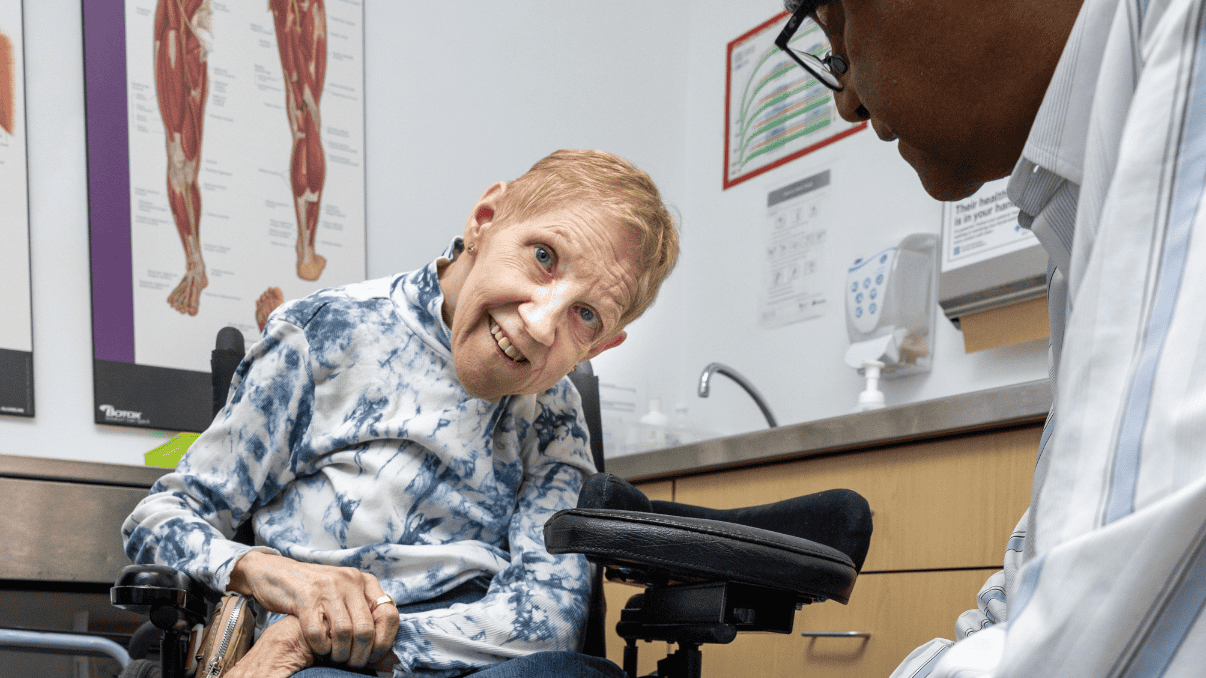
Spasticity is a common complication following stroke that causes muscles to become stiff, tight, or difficult to control. For some stroke survivors, it can significantly affect movement and limb function, contribute to chronic pain, and make everyday activities and independence more difficult. Stroke survivors in rural Alberta face significant barriers to timely spasticity care, including long travel times and uneven access to specialized services. This can delay diagnosis and treatment, leading to poorer functional outcomes, greater pain and disability, and increased pressure on the health system.
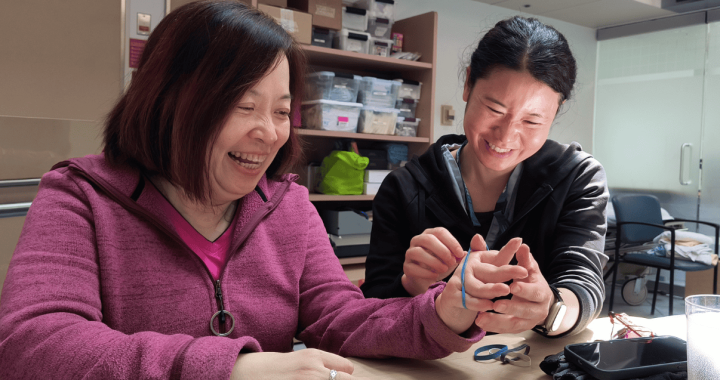
The new Post-Stroke Spasticity Care for Rural Albertans initiative is designed to help close that gap, connecting patients in rural and remote communities with rehabilitation specialists in Alberta’s major urban centres for virtual assessment, allowing for earlier diagnosis and faster access to appropriate rehabilitative treatments — without the need to travel long distances to access that expertise. A collaboration between the Government of Alberta, Glenrose Rehabilitation Hospital, Glenrose Hospital Foundation, University of Alberta Rehabilitation Robotics Lab, and AbbVie, this initiative will make specialized spasticity care more accessible to patients, no matter where they live.
Funded by the Glenrose Hospital Foundation, Alberta Innovates, the Government of Alberta, and AbbVie, the initiative utilizes a technology developed at the University of Alberta and refined through an integrated clinical partnership with the Glenrose Rehabilitation Hospital that allows specialists to remotely assess upper extremity spasticity in stroke survivors living in rural settings.
Expected outcomes include improving access to post-stroke spasticity care in rural communities, enabling earlier and more coordinated support for stroke survivors, and strengthening collaboration among healthcare, industry, and community partners.
“Albertans recovering from a stroke should be able to access specialized rehabilitation care, no matter where they live. By connecting patients in rural and remote communities with specialists through innovative technology, this initiative will support earlier assessment and treatment while reducing the need for long-distance travel.”
– Justin Wright, Minister of Primary and Preventative Health Services
“Albertans experiencing spasticity after a stroke benefit when specialized expertise and local healthcare providers work together. By connecting rehabilitation specialists with primary care and community providers, we can strengthen coordination from assessment through treatment, helping them access the care they need sooner and closer to home.”
– Kim Simmonds, CEO, Primary Care Alberta
“For stroke survivors living in rural Alberta, accessing specialized post-stroke care can mean hours of travel. This initiative changes that, and demonstrates what’s possible when government, healthcare, research, industry, and philanthropy come together with a shared commitment to improve access to specialized care and ensure rural Albertans can receive the care they need, when they need it.”
– Mark Korthuis, President & CEO, Glenrose Hospital Foundation
“Point-of-care technologies are helping us address inequities that underserved patients face across our healthcare system. Many stroke survivors experience increasing muscle stiffness in an arm or hand, and determining the right treatment requires expert clinical assessment. Collaboration between clinical, rehabilitation technology, and research teams have led to the development of technology that allows these assessments to happen virtually, reducing the need for patients and families to travel long distances for expert care. With this funding, we will deploy virtual care kits in rural communities across Alberta and evaluate how this approach improves access to specialized care.”
– Martin Ferguson-Pell, Ph.D., Director, Rehabilitation Robotics Laboratory, Professor, Faculty of Rehabilitation Medicine, University of Alberta
“People living with post-stroke spasticity in rural and remote communities deserve the same access to high-quality care as those in urban centres, because when every day care is delayed it can mean more pain, less independence, and precious time lost before rehabilitation begins, while also placing a significant physical, emotional, and mental strain on caregivers. Initiatives like Post-Stroke Spasticity Care for Rural Albertans demonstrate how collaboration and innovation can help address healthcare gaps, strengthen care, and make a meaningful difference for patients, families, and healthcare providers in Alberta.”
– Tanu Misra, Vice President & General Manager of AbbVie Canada
About the Glenrose Hospital Foundation
The Glenrose Hospital Foundation supports research, technology, equipment, and services that help patients at the Glenrose Rehabilitation Hospital recover, relearn life skills, and rediscover their full potential. Through fundraising and collaboration, the Foundation drives innovations that improve care for families across Alberta and beyond.
About University of Alberta Rehabilitation Robotics Lab
The Rehabilitation Robotics Lab (RRL), in partnership with the Faculty of Medicine and Dentistry and the SMART Network, advances quality of life through robotics and rehabilitation technology. Its interdisciplinary research spans assistive robotics, wheelchair biomechanics, spinal assessment, telerehabilitation, virtual reality, and human-movement simulation. Equipped with motion-capture systems, immersive VR and a six-degrees-of-freedom robotic platform, RRL brings researchers and trainees together to develop inclusive, accessible, and transformative rehabilitation solutions.
About AbbVie
AbbVie’s mission is to discover and deliver innovative medicines and solutions that solve serious health issues today and address the medical challenges of tomorrow. We strive to have a remarkable impact on people’s lives across several key therapeutic areas including immunology, oncology, and neuroscience — and products and services in our Allergan Aesthetics portfolio. For more information about AbbVie, please visit us at www.abbvie.ca. Follow AbbVie in Canada on LinkedIn, Instagram, and YouTube.